
Understanding the Sales Funnel Stages
- Paul
- Jan 13
- 4 min read

In the world of business and marketing, understanding the sales funnel stages is crucial for turning prospects into loyal customers.
The sales funnel is a model that illustrates the journey potential customers take from first becoming aware of a product or service to making a purchase.
By grasping each stage of this funnel, businesses can tailor their strategies to meet customer needs effectively and boost conversion rates.
The concept of what is the sales funnel helps clarify how prospects move through different phases before becoming buyers.
This article will break down the sales funnel stages, explain their significance, and provide actionable tips to optimise each step.
The Importance of Sales Funnel Stages
Sales funnel stages provide a structured approach to understanding customer behaviour. Each stage represents a different mindset and level of engagement from the potential buyer. Recognising these stages allows businesses to:
Target communications effectively: Tailor messages to match the prospect’s current needs.
Identify bottlenecks: Spot where prospects drop off and improve those areas.
Increase conversion rates: Guide prospects smoothly through the funnel to final purchase.
Allocate resources wisely: Focus marketing and sales efforts where they have the most impact.
For example, a company selling software might use educational content during the early stages to build awareness, then offer free trials or demos as prospects move closer to purchase.
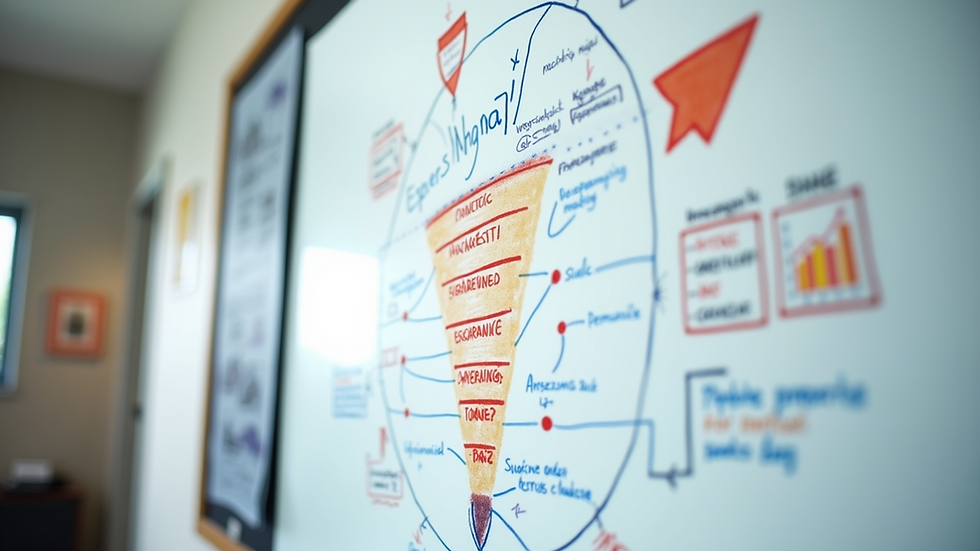
Key Sales Funnel Stages Explained
The sales funnel typically consists of several stages, each representing a step in the customer journey. Understanding these stages helps businesses craft the right strategies and content.
Awareness Stage
At the top of the funnel, the awareness stage is where potential customers first learn about your brand or product. This could happen through social media, blog posts, emails, advertisements, or word of mouth. The goal here is to attract attention and generate interest.
Example: A fitness brand might create engaging Instagram posts or YouTube videos about healthy living to attract people interested in fitness.
Actionable tip: Use SEO-optimised content and social media campaigns to increase visibility and reach a wider audience.
Interest Stage
Once prospects are aware of your brand, they enter the interest stage. Here, they seek more information and start considering whether your product or service fits their needs. Providing valuable content like detailed blog posts, webinars, or newsletters can nurture this interest.
Example: An online course provider might offer free webinars or downloadable guides to educate prospects about the benefits of their courses.
Actionable tip: Use email marketing to deliver personalised content that addresses specific pain points or questions.
Consideration Stage
In the consideration stage, prospects compare your offering with competitors. They evaluate features, prices, and reviews to decide if your product is the right choice. This is the time to highlight unique selling points and build trust.
Example: A car dealership might provide comparison charts, customer testimonials, and detailed product demos.
Actionable tip: Offer free trials, case studies, or live demos to help prospects make informed decisions.
What are the 5 stages of a sales funnel?
The sales funnel is often broken down into five distinct stages, each with its own focus and tactics:
Awareness - Potential customers discover your brand.
Interest - They show curiosity and seek more information.
Consideration - Prospects evaluate your product against alternatives.
Intent - They demonstrate a clear intention to buy, such as adding items to a cart or requesting a quote.
Purchase - The final stage where the prospect becomes a customer by completing the transaction.
Understanding these stages helps businesses design targeted marketing campaigns and sales processes that align with the customer’s mindset at each point.
Example: An e-commerce store might use retargeting ads during the intent stage to remind customers of items left in their shopping cart.
Actionable tip: Track customer behaviour using analytics tools to identify which stage they are in and personalise follow-ups accordingly.

How to Optimise Each Sales Funnel Stage
Optimising each stage of the sales funnel is essential for improving overall sales performance. Here are practical strategies for each phase:
Awareness: Invest in content marketing, SEO, and social media advertising to increase brand visibility. Collaborate with influencers or run contests to attract attention.
Interest: Provide educational resources such as blogs, videos, and newsletters. Use lead magnets like free ebooks or checklists to capture contact information.
Consideration: Share customer testimonials, case studies, and product comparisons. Offer live chat support to answer questions promptly.
Intent: Use personalised email campaigns and retargeting ads. Provide limited-time discounts or bonuses to encourage purchase decisions.
Purchase: Simplify the checkout process, offer multiple payment options, and provide excellent customer service to reduce cart abandonment.
By continuously analysing data and customer feedback, businesses can refine their approach and increase conversion rates at every stage.
Measuring Success in the Sales Funnel
Tracking key performance indicators (KPIs) at each sales funnel stage is vital to understand what works and what needs improvement. Some important metrics include:
Traffic sources: Where are your prospects coming from?
Engagement rates: How are they interacting with your content?
Lead conversion rates: How many prospects move from one stage to the next?
Sales conversion rates: What percentage of leads become paying customers?
Customer retention: Are customers coming back for repeat purchases?
Using tools like Google Analytics, CRM software, and marketing automation platforms can provide valuable insights. Regularly reviewing these metrics helps businesses make data-driven decisions and optimise their sales funnel.
Final Thoughts on Sales Funnel Stages
Mastering the sales funnel stages is a powerful way to improve marketing effectiveness and drive sales growth. By understanding each phase of the customer journey, businesses can create targeted strategies that resonate with prospects and guide them smoothly towards purchase.
Remember, the sales funnel is not static - it requires ongoing attention and adjustment based on customer behaviour and market trends. Implementing the right tactics at each stage and measuring results will help you build a strong, efficient sales process that delivers consistent results.
Invest time in learning about the sales funnel stages and applying these insights to your business. The payoff will be a more engaged audience, higher conversion rates, and ultimately, increased revenue.


Comments