
Boost Your Business with Remote B2B Sales Training Tips

Starting a business or growing a small company can be challenging, especially when it comes to sales. Selling to other businesses requires a different approach than selling to individual customers. This is where effective sales training becomes essential. Learning the right skills can help beginners and entrepreneurs build confidence, understand their customers better, and close more deals. One of the most convenient and effective ways to gain these skills today is through remote B2B sales training.
Why Sales Training Matters for Small Businesses and Entrepreneurs
Sales training is not just for large corporations. Small businesses and individuals can benefit greatly from learning how to sell effectively. Good sales skills help in:
Building trust with potential clients
Understanding customer needs clearly
Communicating value in a way that resonates
Handling objections smoothly
Closing deals confidently
Without proper training, many beginners struggle to make consistent sales. This can lead to frustration and lost opportunities. Investing time in learning sales techniques can transform the way a business operates and increase revenue.
For example, a small business owner who learns how to ask the right questions during a sales call can discover what the client truly needs. This allows them to offer tailored solutions rather than generic pitches, making the sale more likely.

Essential B2B Sales Training Tips for Beginners
When starting with B2B sales, it is important to focus on foundational skills. Here are some practical tips that beginners can apply immediately:
1. Understand Your Customer’s Business
Before reaching out, research the company you want to sell to. Learn about their industry, challenges, and goals. This shows respect and helps tailor your message.
2. Build Relationships, Not Just Transactions
B2B sales often involve longer sales cycles. Focus on building trust and rapport. Follow up regularly and provide value even before the sale.
3. Listen More Than You Speak
Listening carefully helps uncover the real needs of the client. Ask open-ended questions and let them explain their situation.
4. Keep Your Message Clear and Simple
Avoid jargon or complicated explanations. Use clear language to explain how your product or service solves a problem.
5. Practice Handling Objections
Objections are a natural part of sales. Prepare responses to common concerns like price, timing, or features. Stay calm and positive.
6. Use Technology to Your Advantage
Tools like video calls, email, and customer relationship management software can help manage leads and communicate effectively.
By applying these tips, beginners can start to see improvements in their sales conversations and results.
How Remote B2B Sales Training Can Transform Your Approach
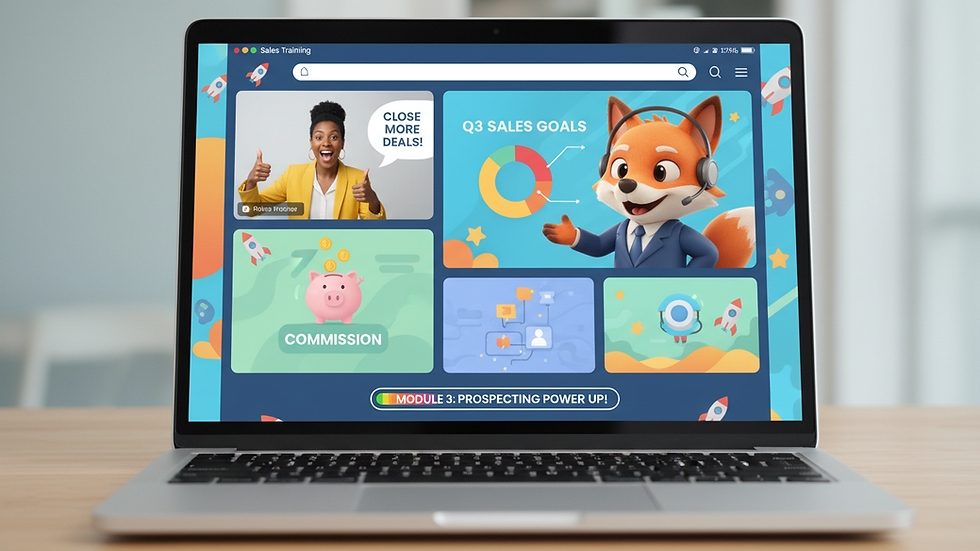
Learning sales skills remotely offers flexibility and access to expert knowledge without the need to travel or take time off work. This type of training is designed to fit around busy schedules and can be accessed from anywhere.
One of the key benefits is the ability to practice skills in a safe environment. Many remote training programs include role-playing exercises, feedback sessions, and real-world examples. This hands-on approach helps learners build confidence quickly.
Additionally, remote training often provides access to a community of learners and trainers. This support network can be invaluable for sharing experiences, asking questions, and staying motivated.
For those just starting out, remote b2b sales training offers a structured path to develop essential skills without overwhelming complexity.
Practical Steps to Get Started with Sales Training
Starting sales training can feel overwhelming, but breaking it down into manageable steps makes it easier:
Set Clear Goals
Decide what you want to achieve. Is it learning how to make cold calls? Or mastering follow-up techniques? Clear goals keep you focused.
Choose the Right Training Program
Look for beginner-friendly courses that explain concepts simply and provide practical exercises.
Schedule Regular Practice Time
Consistency is key. Dedicate time each week to study and practice new skills.
Apply What You Learn Immediately
Try out techniques in real sales conversations. Reflect on what worked and what didn’t.
Seek Feedback
Ask mentors, peers, or trainers for constructive feedback to improve.
Track Your Progress
Keep a journal or spreadsheet of your sales activities and results. Celebrate small wins.
By following these steps, beginners can build a strong foundation and gradually improve their sales performance.
Building Confidence Through Continuous Learning
Confidence is one of the most important traits for successful salespeople. It comes from knowledge and experience. As beginners learn and practice sales skills, they naturally become more confident.
Encouraging a mindset of continuous learning helps maintain this confidence. Sales techniques and customer expectations evolve, so staying updated is crucial.
Some ways to keep learning include:
Reading sales books and articles
Watching webinars and tutorials
Joining sales forums or groups
Attending workshops or online courses
Remember, every expert was once a beginner. With dedication and the right training, anyone can become a skilled salesperson.
Investing in sales training is one of the smartest moves for small businesses and entrepreneurs. It opens doors to new opportunities and helps build lasting client relationships. By embracing remote learning options, beginners can access valuable resources and develop skills at their own pace. Start today and watch your business grow with confidence and success.


Comments