
Mastering Sales Pipeline Creation: A Step-by-Step Guide for Beginners

Building a sales pipeline is one of the most important steps for anyone starting a business or looking to grow sales. A sales pipeline helps organise potential customers and guides them through the buying process. It turns random leads into paying customers by creating a clear path from first contact to closing the sale. This guide will explain everything needed to start a sales pipeline from scratch, with practical advice and simple steps anyone can follow.
Understanding Sales Pipeline Creation
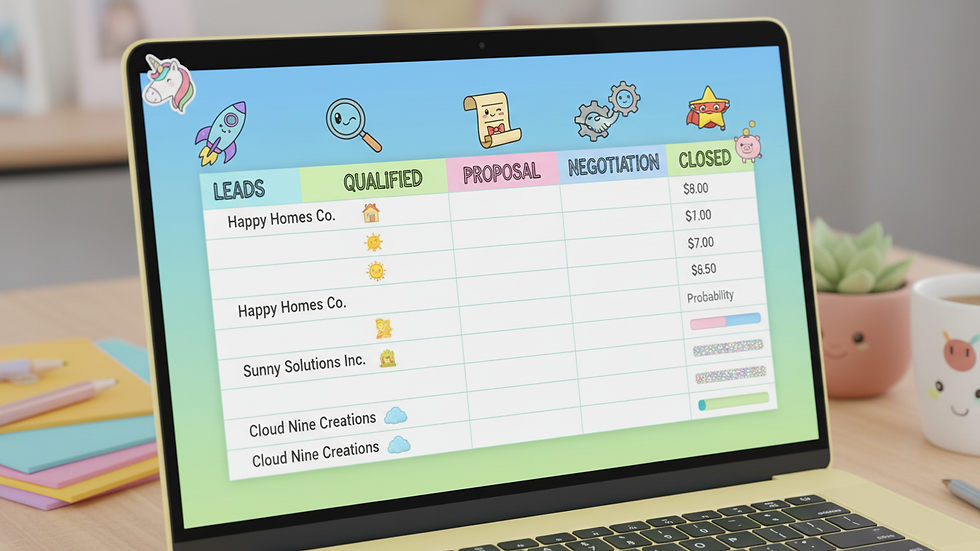
Sales pipeline creation is the process of setting up a system that tracks potential customers as they move through different stages of buying. It helps businesses see where each prospect is, what actions to take next, and how to focus efforts on the most promising leads.
A well-structured sales pipeline provides clarity and control. It breaks down the sales journey into manageable steps, making it easier to predict revenue and improve sales performance. For beginners, this means less guesswork and more confidence in managing sales activities.
Key Stages in a Sales Pipeline
Most sales pipelines include these basic stages:
Lead generation: Finding potential customers.
Lead qualification: Deciding if a lead is worth pursuing.
Initial contact: Reaching out to the lead.
Needs assessment: Understanding what the customer wants.
Proposal: Offering a solution or product.
Negotiation: Discussing terms and overcoming objections.
Closing: Finalising the sale.
Each stage requires specific actions and goals. Tracking progress through these stages helps identify bottlenecks and improve the sales process.

How to Start Sales Pipeline Creation Effectively
Starting a sales pipeline from scratch can feel overwhelming, but breaking it down into clear steps makes it manageable. Here is a simple approach to begin:
Define your ideal customer
Understand who your product or service is for. Consider demographics, needs, and challenges. This helps focus your efforts on the right people.
Map out your sales stages
Decide the steps your customers go through before buying. Keep it simple and relevant to your business.
Create a tracking system
Use a spreadsheet, notebook, or simple software to record leads and their current stage. Include contact details, notes, and next actions.
Generate leads
Use methods like social media, networking, referrals, or advertising to find potential customers.
Qualify leads
Quickly assess if a lead fits your ideal customer profile and has a genuine interest.
Follow up consistently
Contact leads regularly with personalised messages. Keep track of responses and update their stage.
Measure and adjust
Review your pipeline weekly. Identify where leads drop off and improve those stages.
By following these steps, beginners can build a strong foundation for their sales efforts.
What is the 10 3 1 Rule in Sales?
The 10 3 1 rule is a helpful guideline for managing sales activities and prioritising efforts. It suggests that for every 10 leads generated:
3 will be qualified as serious prospects.
1 will convert into a paying customer.
This rule helps set realistic expectations and focus on quality over quantity. It encourages salespeople to nurture leads carefully and not get discouraged by initial rejections.
For example, if a small business owner reaches out to 10 potential customers, they should expect about 3 to show genuine interest. From those, one might make a purchase. This understanding helps plan time and resources effectively.
Using the 10 3 1 rule also highlights the importance of consistent lead generation. To increase sales, more leads need to enter the pipeline regularly.
Tools and Techniques to Support Sales Pipeline Creation
While starting with simple tools is fine, some basic techniques and tools can make sales pipeline creation easier and more effective.
Simple Tools for Beginners
Spreadsheets: Easy to set up and customise. Track leads, stages, and next steps.
Email templates: Save time by creating messages for different stages.
Calendars and reminders: Schedule follow-ups and meetings.
Techniques to Improve Pipeline Management
Regular reviews: Set a weekly time to update and analyse your pipeline.
Prioritisation: Focus on leads closest to buying.
Personalisation: Tailor communication to each lead’s needs.
Clear next steps: Always know what action to take next with each lead.
These tools and techniques help beginners stay organised and build confidence in managing sales.
Taking Action: Your First Steps Today
Starting a sales pipeline is about taking small, consistent actions. Here are practical recommendations to get going:
Write down your ideal customer profile.
Sketch your sales stages on paper or a whiteboard.
Collect at least 10 potential leads from your network or online.
Create a simple spreadsheet to track these leads.
Reach out to each lead with a personalised message.
Set reminders to follow up within a week.
Review your progress after two weeks and adjust your approach.
Remember, sales success comes from persistence and learning. Every interaction is a chance to improve.
For those looking for a detailed guide on how to build a sales pipeline from scratch, this resource offers step-by-step instructions and examples tailored for beginners.
Growing Confidence and Skills in Sales Pipeline Creation
Building a sales pipeline is a skill that improves with practice. As more leads move through the pipeline, confidence grows. Tracking results helps identify what works and what needs change.
Begin with simple steps and gradually add complexity as comfort increases. Celebrate small wins like a successful follow-up or a closed sale. These moments build momentum.
Sales pipeline creation is not just about tools or processes - it is about developing a mindset of organisation, persistence, and customer focus. With time, this mindset leads to steady business growth and sales success.
This guide provides a clear path to start and grow a sales pipeline. By following these steps, anyone can turn potential leads into loyal customers and build a thriving business.


Comments