
Step-by-Step Guide to Building Sales Pipeline Strategies

Building a sales pipeline is essential for anyone looking to grow their business or improve their sales process. A sales pipeline helps organise potential customers and track progress from the first contact to closing a deal. This guide will walk through the steps needed to create a sales pipeline from scratch, making it easy to understand and apply.
Understanding Building Sales Pipeline Strategies
Before diving into the steps, it is important to understand what building sales pipeline strategies means. A sales pipeline is a visual representation of where prospects are in the buying process. It helps salespeople focus on the right activities at the right time. Building sales pipeline strategies involves creating a clear plan to attract, engage, and convert leads into customers.
A well-structured pipeline allows businesses to forecast sales, identify bottlenecks, and improve overall efficiency. For beginners, this means breaking down the sales journey into manageable stages and knowing what actions to take at each point.
How to Start Building Your Sales Pipeline
Starting a sales pipeline from scratch might seem overwhelming, but it can be done step-by-step. Here are the key actions to take:
Identify Your Target Audience
Knowing who your ideal customers are is the foundation. Define their needs, challenges, and where they spend time. This helps in finding the right leads.
Generate Leads
Use simple methods like networking, social media, or referrals to find potential customers. Keep a list of contacts and basic information.
Qualify Leads
Not every lead will become a customer. Qualify them by asking questions to understand their interest and ability to buy.
Create Stages for Your Pipeline
Break down the sales process into clear stages. For example: Lead, Contacted, Qualified, Proposal Sent, Negotiation, Closed Won, Closed Lost.
Track Progress
Use a simple spreadsheet or free tools to track where each lead is in the pipeline. Update regularly.
Follow Up Consistently
Regular communication is key. Set reminders to follow up with leads and move them through the pipeline.
Analyse and Improve
Review your pipeline regularly to see what works and what doesn’t. Adjust your approach based on results.
By following these steps, anyone can learn how to build a sales pipeline from scratch and start seeing better sales results.
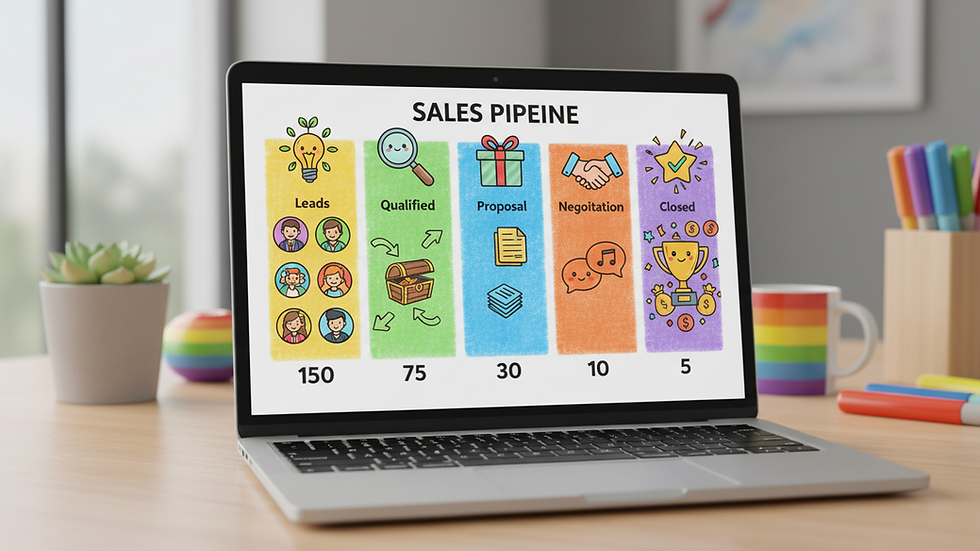
What are the 7 Stages of Sales Pipeline?
Understanding the typical stages in a sales pipeline helps in organising efforts and setting clear goals. Here are the seven common stages:
Lead Generation
This is where potential customers first enter the pipeline. Leads can come from various sources like websites, events, or referrals.
Initial Contact
The first communication with the lead. This could be a phone call, email, or meeting to introduce your product or service.
Qualification
Determine if the lead has the need, budget, and authority to make a purchase. This saves time by focusing on serious prospects.
Needs Analysis
Understand the specific problems or goals of the lead. Tailor your offering to meet their needs.
Proposal or Presentation
Present a solution that fits the lead’s requirements. This could be a formal proposal or a product demonstration.
Negotiation
Discuss terms, pricing, and address any objections. This stage requires patience and good communication skills.
Closing
Finalise the deal and complete the sale. Also includes following up to ensure customer satisfaction.
Each stage requires different actions and attention. Knowing these stages helps in moving leads smoothly through the pipeline.

Tools and Techniques to Manage Your Sales Pipeline
Managing a sales pipeline effectively requires the right tools and techniques. Beginners can start with simple methods and gradually adopt more advanced options.
Spreadsheets
A basic and free way to track leads and stages. Use columns for contact info, stage, next steps, and notes.
Calendar Reminders
Set reminders for follow-ups and meetings to keep the pipeline active.
Email Templates
Prepare standard messages for common situations like initial contact or follow-up. This saves time and keeps communication consistent.
Visual Pipeline Boards
Use physical boards or digital tools that allow moving leads through stages visually. This helps in seeing progress at a glance.
Regular Reviews
Schedule weekly or monthly reviews to update the pipeline and plan next actions.
By using these tools and techniques, managing a sales pipeline becomes less daunting and more productive.
Tips for Keeping Your Sales Pipeline Healthy
A sales pipeline is only useful if it stays active and accurate. Here are some tips to keep it healthy:
Keep Adding New Leads
Continuously look for new prospects to avoid running out of opportunities.
Remove Stale Leads
If a lead has not responded after several attempts, consider removing them to focus on active prospects.
Be Consistent with Follow-Ups
Regular contact shows professionalism and keeps your offer top of mind.
Track Your Conversion Rates
Know how many leads move from one stage to the next. This helps identify where improvements are needed.
Celebrate Small Wins
Recognise progress at each stage to stay motivated.
Following these tips ensures the sales pipeline remains a powerful tool for growing sales.
Moving Forward with Confidence
Building a sales pipeline is a practical way to organise sales efforts and increase success. By understanding the stages, using simple tools, and following a clear process, anyone can improve their sales results. Remember, the key is to start small, stay consistent, and keep learning.
This guide provides a solid foundation for those ready to take control of their sales process and build a pipeline that works. With patience and practice, the benefits will become clear, leading to more closed deals and business growth.


Comments